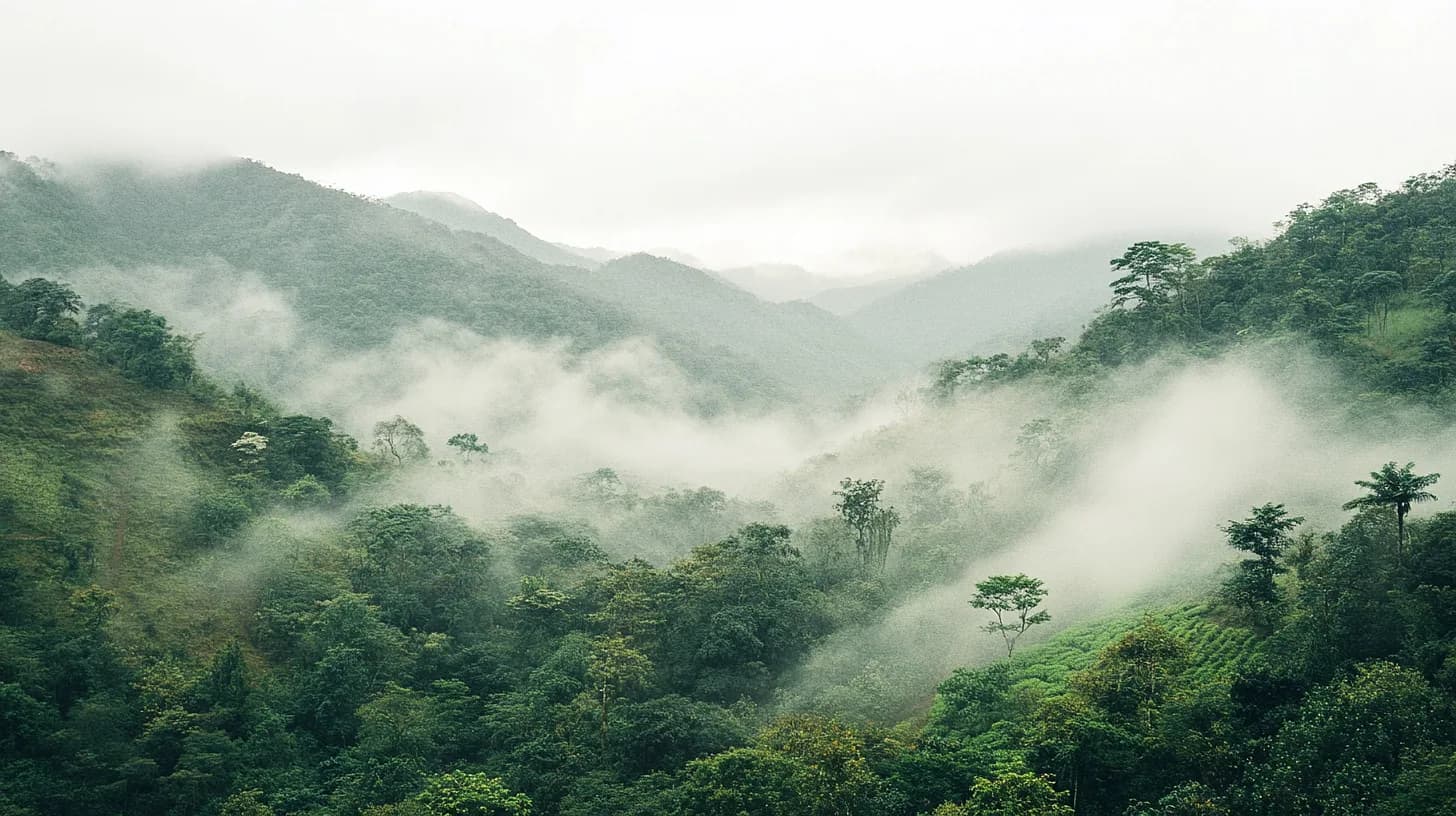
Hacienda Banderones
Two and a half thousand hectares in the southern Andes. Three hills, three coffees, one family.
There are, in coffee, a handful of estates whose name alone moves a price. Ecuador has the ground to produce one. That is the ground we farm.
Banderones lies in the province of Loja, in the far south of Ecuador, a few kilometres from the Peruvian border. Coffee has been grown here since the 1820s. The province holds a protected designation of origin and wins the national competition year after year.
In 2019 the land was converted from maize monoculture to a diversified estate. Twenty-five hectares are planted today, under shade, across eight arabica varieties. The first harvests cupped at 87 points with certified Q graders — the line above which coffee stops being sold by weight and starts being sold by name.
2,500ha
Owned outright, one contiguous title
87pts
SCA score, certified Q graders
800ha
Primary forest, never cut
8
Arabica varieties in selection
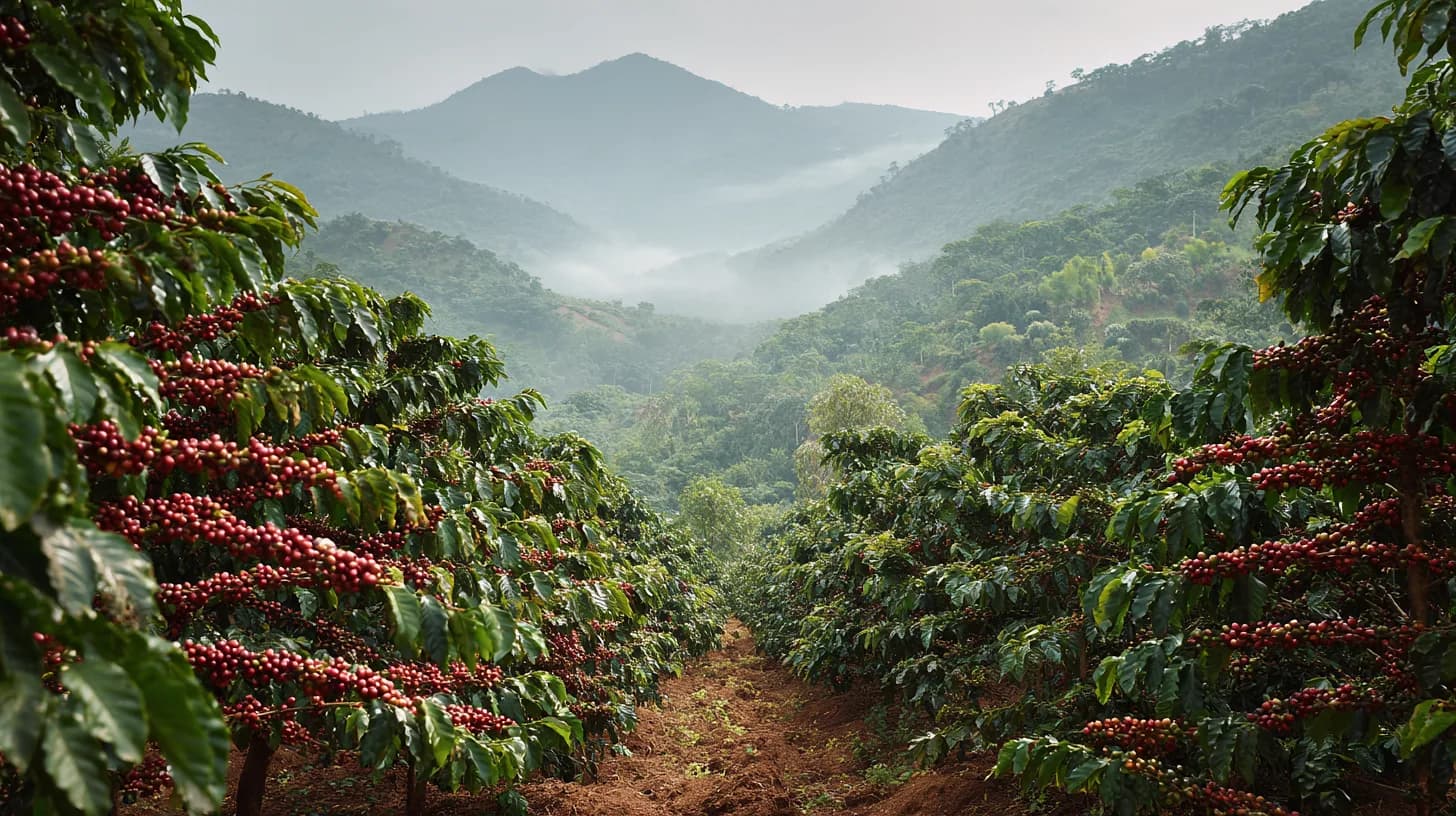
One estate, three terroirs.
The planted land sits on three hills. They do not face the same way, they do not hold water the same way, and the canopy above them is not the same depth.
We could blend them. We don't. Each hill is picked, fermented, dried and sold on its own — three lots, three profiles, three names.
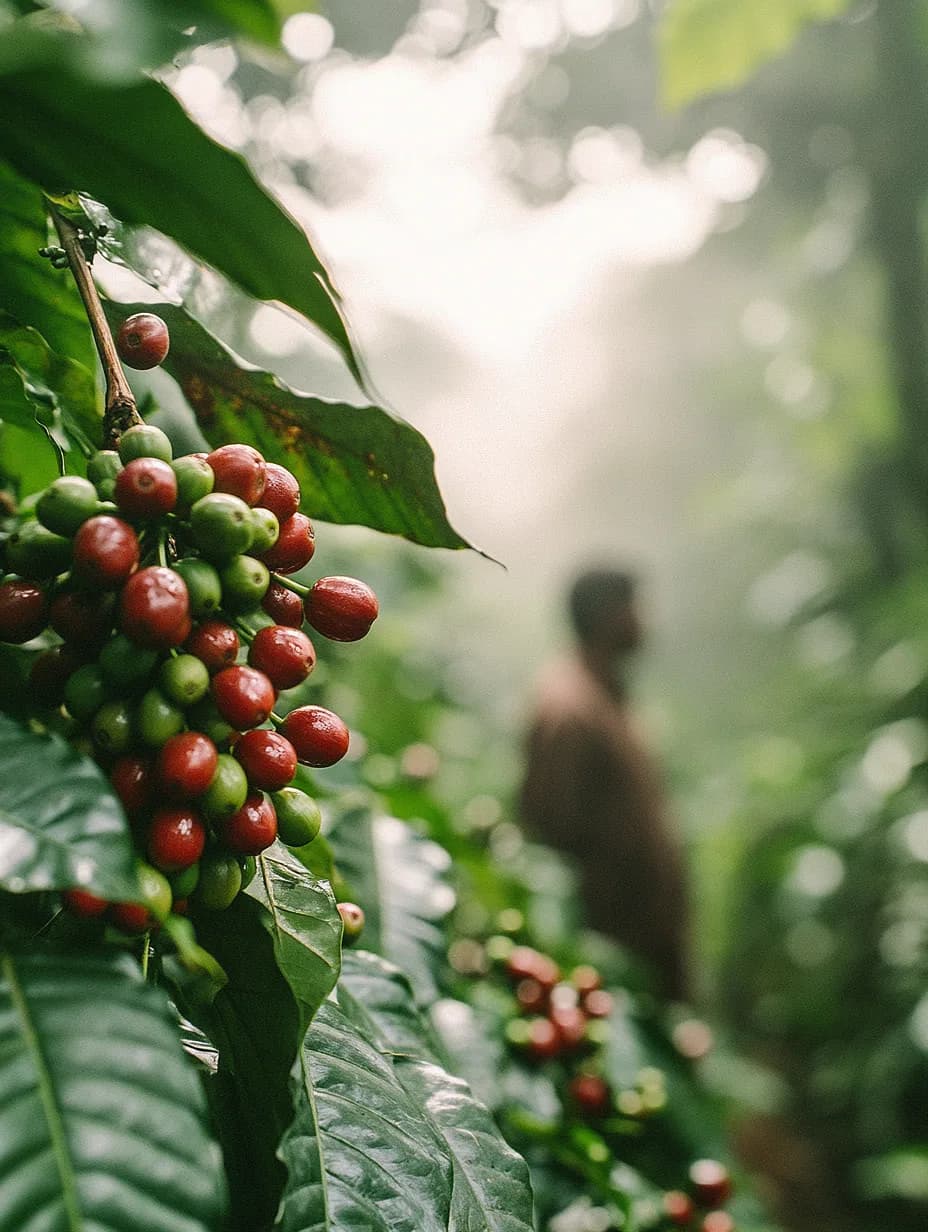
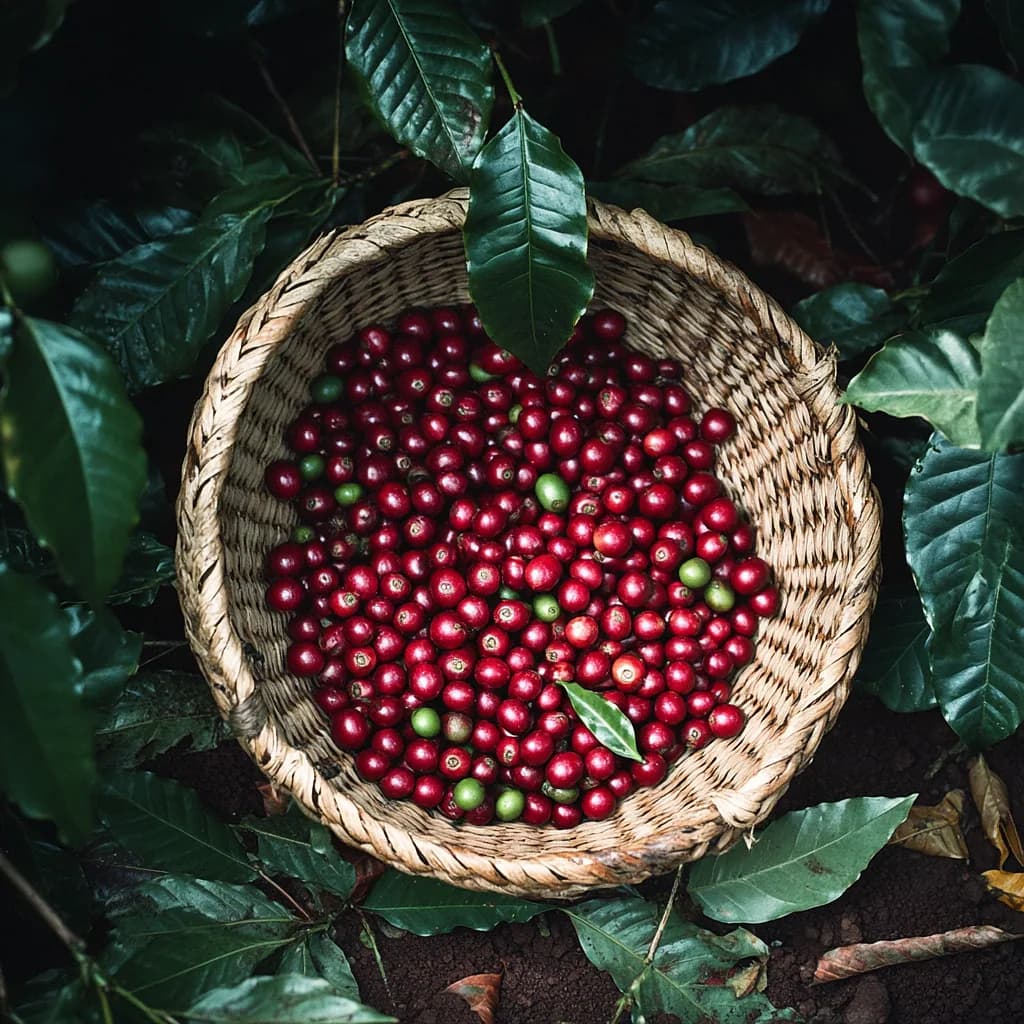
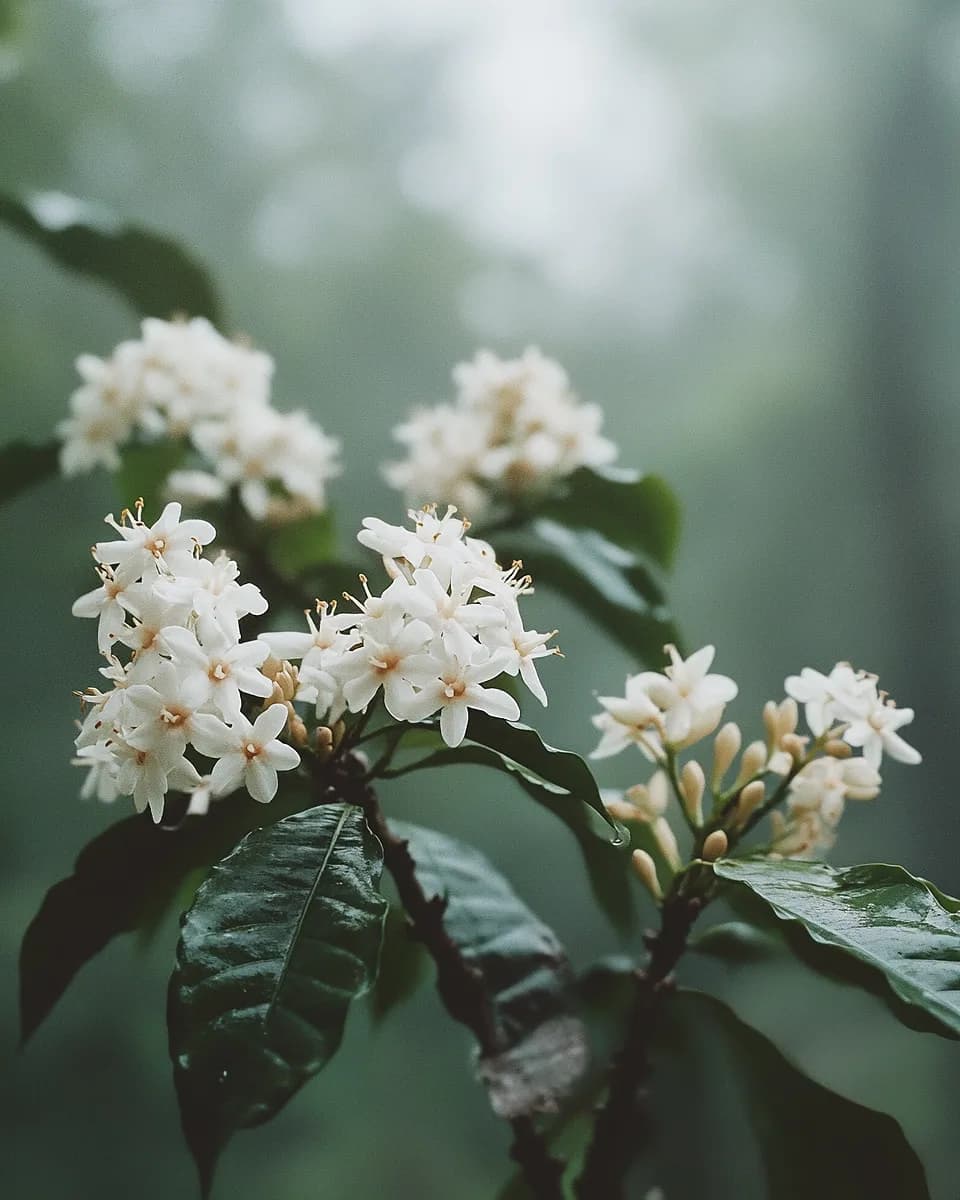
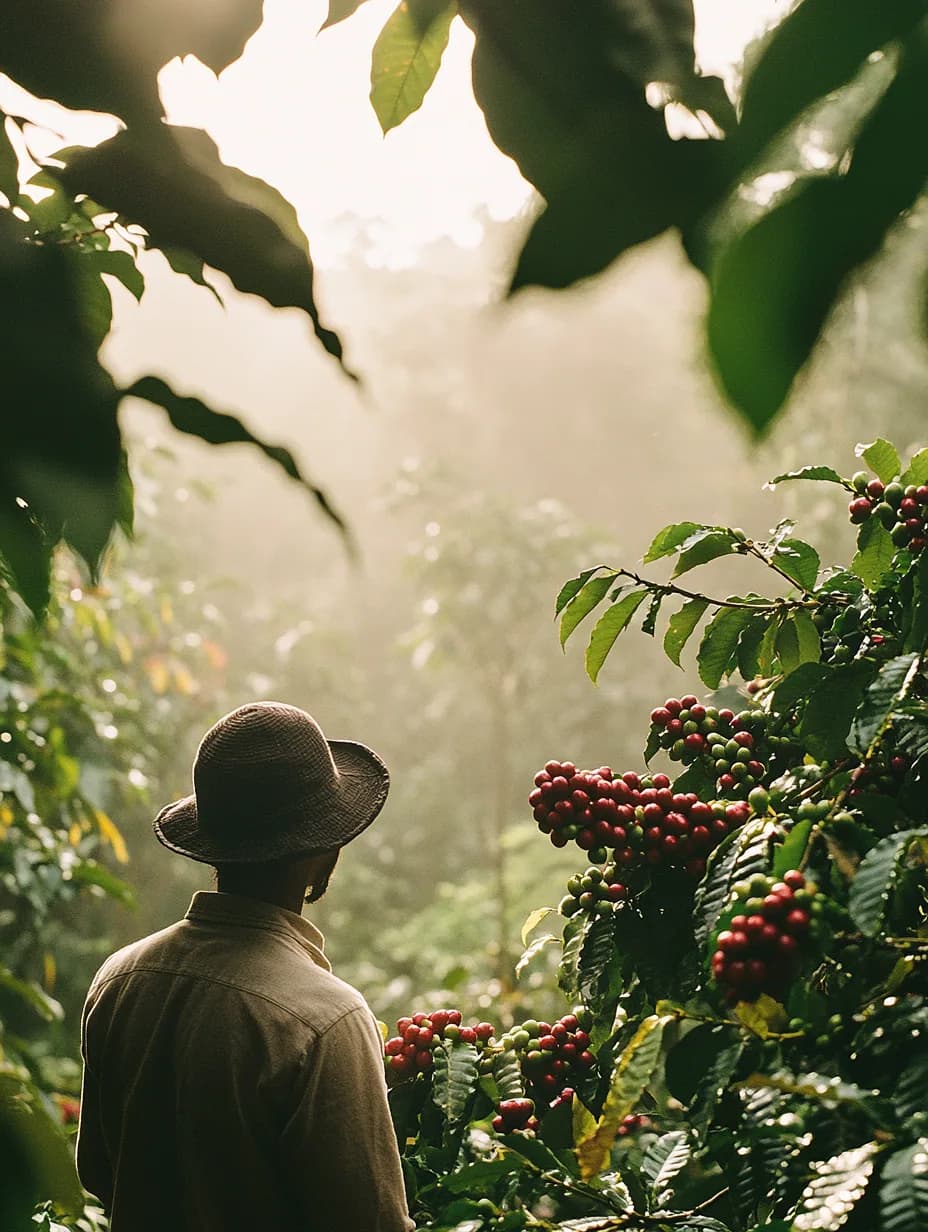
Grown in shade.
Most of our parcels sit under a canopy of varying depth. Nothing is planted in straight rows — the terrain does not allow it, and the trees were standing before the coffee went in.
Shade costs yield. It buys slower ripening, denser cherry, less irrigation and a habitat that keeps working when we are not looking. It is also what makes organic certification and European deforestation compliance reachable without changing anything about how we farm.
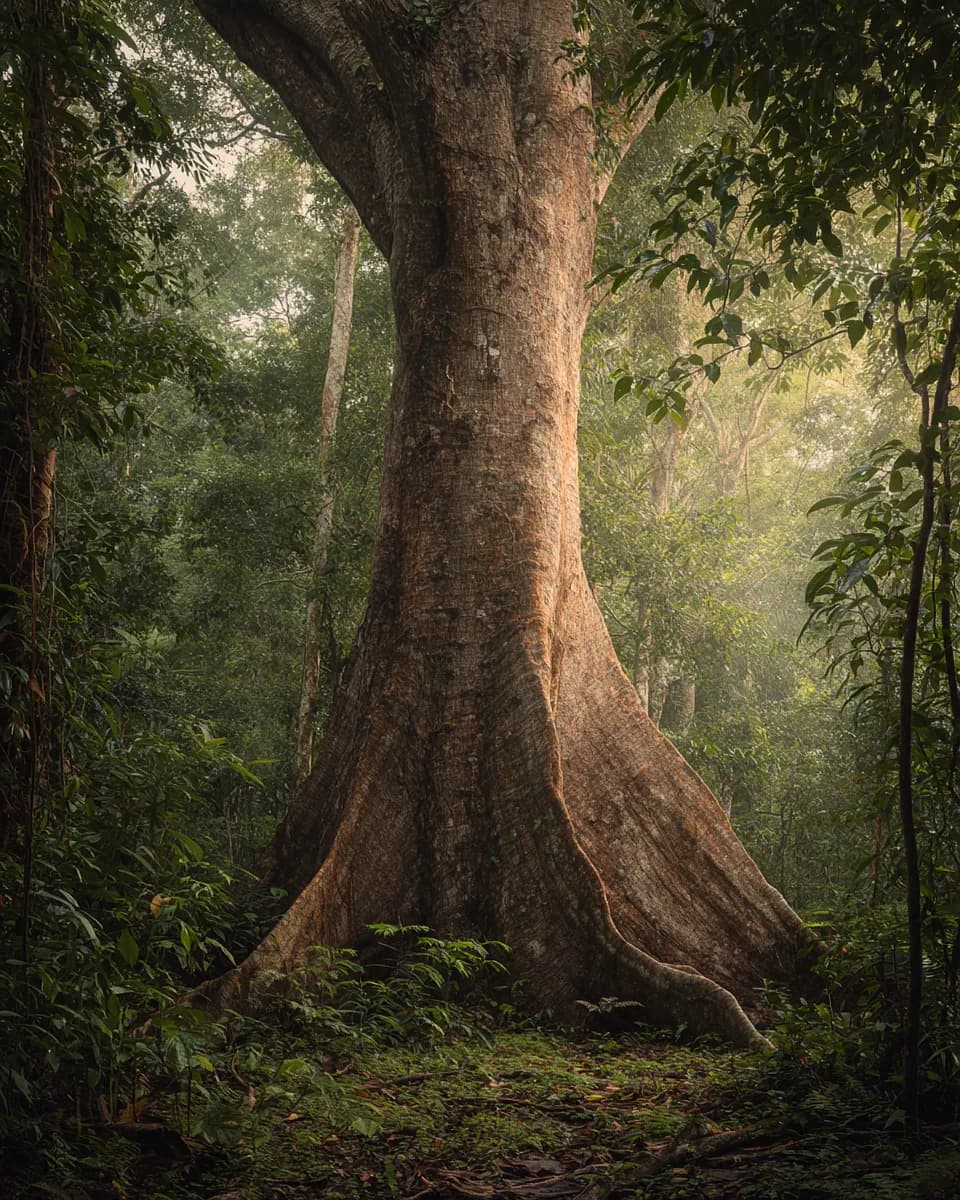
Eight hundred hectares we will not touch.
A third of the estate is primary forest that has never been cut. It regulates the water in fifteen natural reservoirs, tempers the microclimate on the upper parcels, and shelters the birds that keep pests in check.
It produces no revenue and it is the part of the estate we are least willing to trade.
Three people, three jobs, one estate.
Ownership & direction
Jean Merino
Founder of the estate. Bought the land in 2019 and converted it from maize monoculture to a diversified operation. Directs the estate from France and on the ground in Loja.
Product & agronomy
Elias Merino
Runs varietal selection, the planting programme and the quality trajectory. Trained in coffee and works inside the industry. Decides what goes in the ground and how it is processed.
Market & brand
Hermès Coutureau
Runs the commercial side: relationships with importers and roasters, the estate brand, and the route to European and North American buyers.
Put our coffee on your cupping table.
We work directly with importers, roasting companies and green buyers. Tell us what you are looking for and we will send samples ahead of the release.